
FDP on Health and Harmony at Workplace
Date: Monday, 19 October 2026 Time: 10:30 AM onwards
Venue: Narmada College of Management Conference Hall
Participants: Teaching Staff of NCM & NCSC
Organised by: Narmada College of Management and Narmada College of Science & Commerce, Bharuch.
“A healthy workplace begins with a healthy mind, grows through positive relationships, and flourishes in an environment of mutual respect and understanding.”
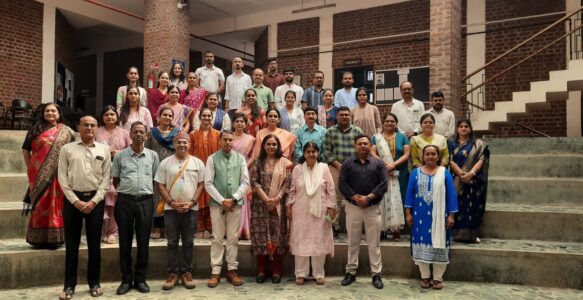
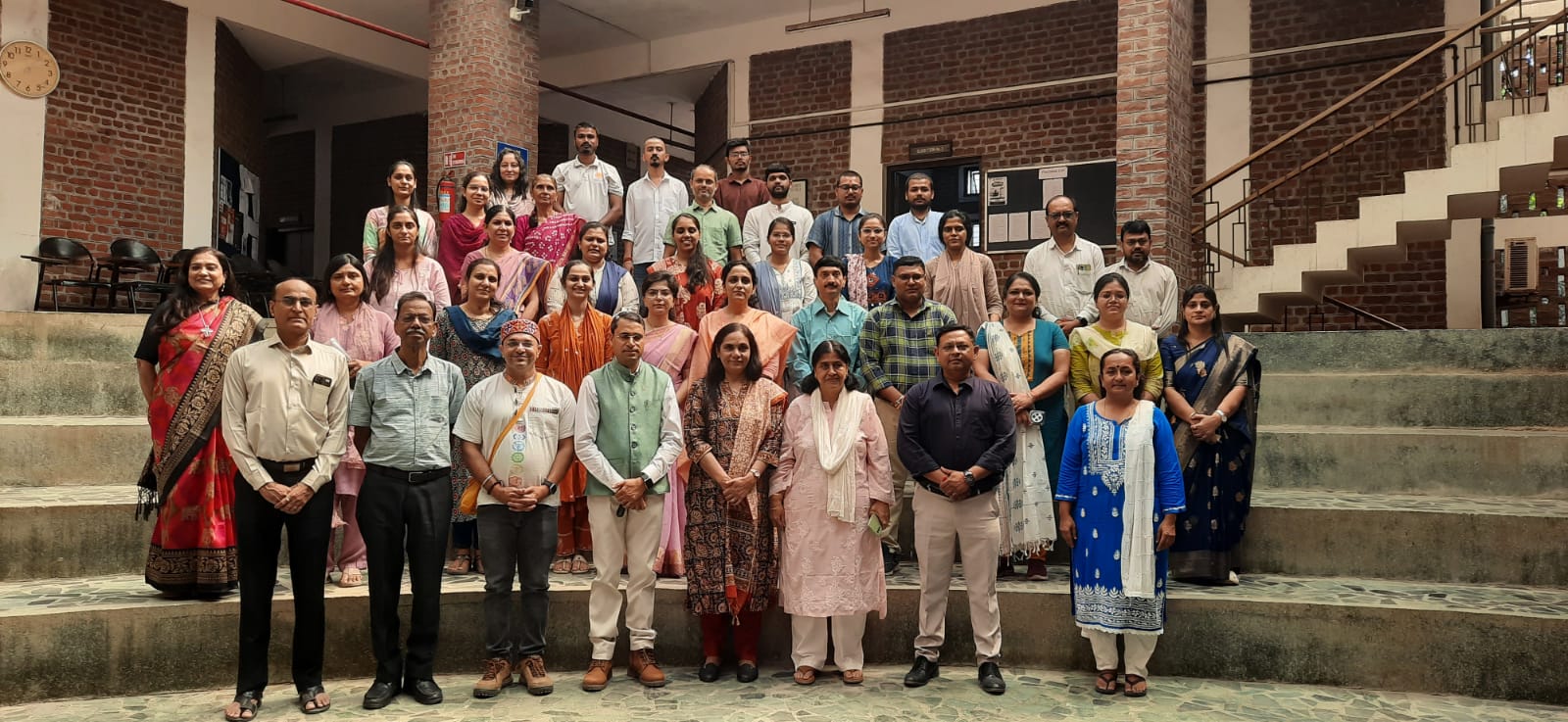
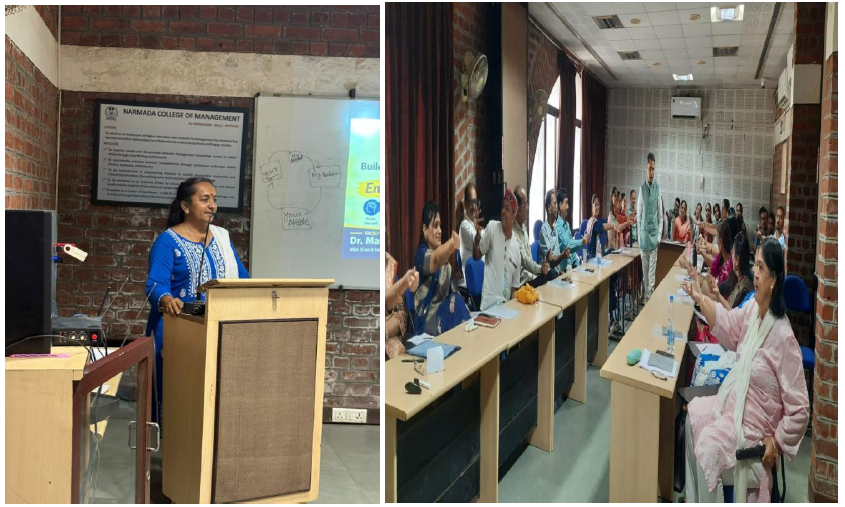
Recognising the importance of emotional well-being, interpersonal relationships, and a harmonious work environment, Narmada College of Management and Narmada College of Science & Commerce, Bharuch, jointly organised a One Day FDP titled “Health and Harmony at the Workplace: Promoting Emotional Well-being, Positive Relationships and a Stress-Free Work Environment” on 19 October 2026 where total 40 Faculties from different streams of both the institutes participated whole heartedly.
The programme aimed to create awareness about workplace stress, strengthen communication and interpersonal skills, encourage emotional intelligence, and equip faculty members and staff with practical approaches to managing professional challenges constructively. It emphasised that a positive workplace is built not merely through professional competence but also through empathy, mutual respect, trust, and emotional maturity.
Inaugural Session:
The programme commenced with registration and welcome tea for the participants, followed by the formal opening and an overview of the FDP by the anchors, Prof. Rakhi Thakkar from NCM and Dr. Khushali Modha from NCSC. The anchors introduced the theme and highlighted the relevance of workplace health and harmony in contemporary academic and professional settings.
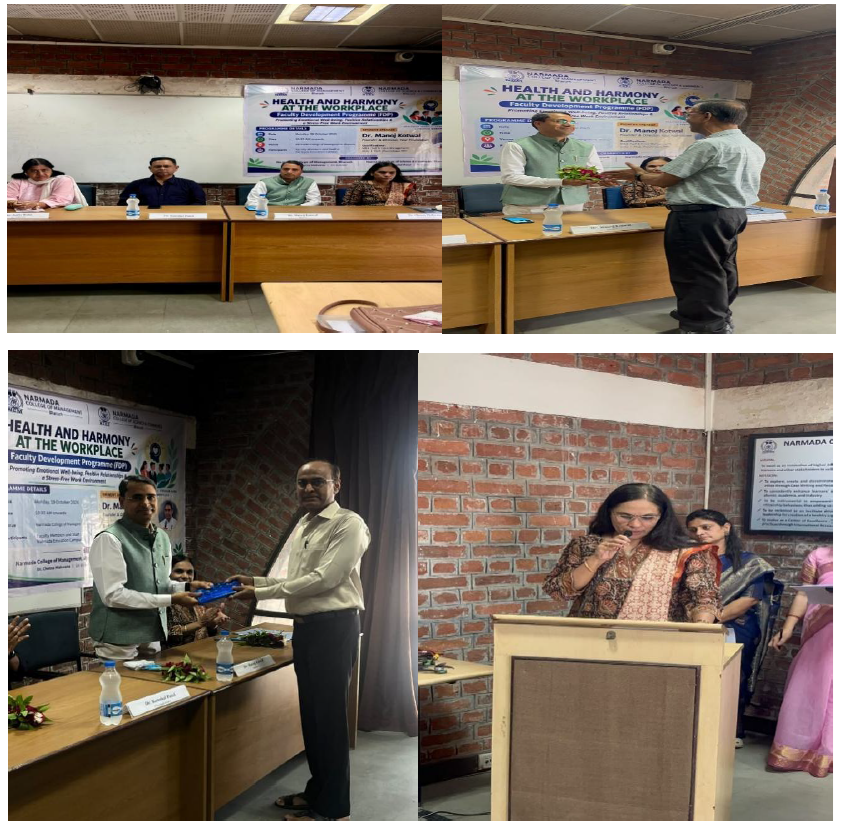
The inaugural session included the felicitation of the dignitaries on the stage: Dr. Manoj Kotwal, Chief Guest and Resource Person; Dr. Kaushal Patel, Principal, NCSC; Dr. Chetna Makwana, I/c Director, NCM; and Dr. Anita Rana, Head of the Commerce Department, NCSC.
Dr. Kaushal Patel, Principal, NCSC, delivered the welcome address. In his address, he highlighted the importance of faculty well-being and emphasised that the emotional health of educators plays a vital role in nurturing students’ well-being, learning experiences, and holistic development.
Subsequently, Dr. Chetna Makwana, I/c Director, NCM, presented the vision and objectives of the FDP, outlining the importance of promoting a healthy, harmonious, and supportive workplace. She highlighted how the ability to manage everyday challenges, understand differing perspectives, and respond positively to difficult situations can strengthen both personal and professional well-being. She also emphasised that investing in faculty development is essential for fostering a supportive, collaborative, and productive institutional environment.
Dr. Anita Rana, HOD, Commerce Dept., NCSC introduced the eminent speaker of the FDP, Dr. Manoj Kotwal, Founder and Director of Your Foundation. Dr. Kotwal is a motivational speaker, counsellor, and corporate trainer specialising in soft skills, leadership development, and stress management. With extensive experience in conducting training programmes and motivational sessions, he brought valuable practical insights into the theme of workplace health and harmony.
Expert Session: Understanding the Foundations of Workplace Harmony:
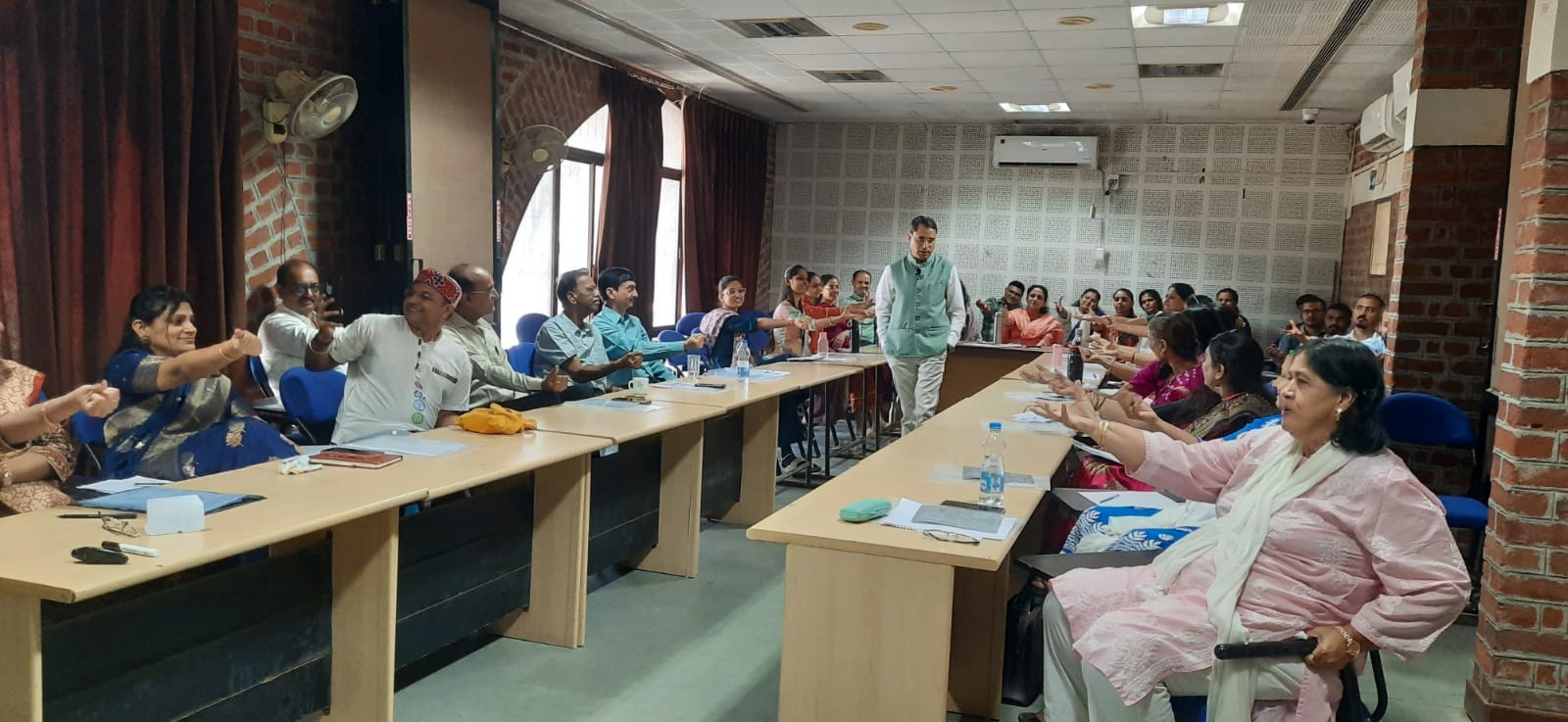
Dr. Manoj Kotwal conducted an engaging and thought-provoking session focusing on the underlying causes of interpersonal conflict, emotional disturbances, and strained professional relationships. Through practical examples, reflective questions, and interactive discussions, he encouraged participants to examine their own attitudes, expectations, communication patterns, and responses to challenging situations.
encouraged to recognise that colleagues may have different opinions, personalities, backgrounds, and working styles.
The session also stressed the importance of empathy and support in building a collaborative work culture. Understanding another person’s perspective does not necessarily require agreement; rather, it requires a willingness to listen, acknowledge differences, and work towards constructive solutions.
4. Communication Skills and Behavioural Patterns
The session explored how communication styles influence interpersonal relationships. The speaker discussed passive, aggressive, and assertive approaches to communication, highlighting the importance of expressing one’s views clearly while respecting the rights and perspectives of others.
Assertive communication was presented as a constructive approach to handling disagreements, expressing concerns, and setting appropriate boundaries without becoming hostile or unnecessarily submissive.
The discussion also addressed common communication barriers, including misunderstandings, assumptions, doubts, inadequate listening, and premature evaluation of others. Participants were encouraged to seek clarification, avoid unnecessary generalisations, and practise thoughtful communication.
5. Conflict Management and Constructive Resolution
Drawing on the principles of the Thomas–Kilmann Conflict Mode framework, the session introduced different approaches to managing interpersonal conflict, including competing, accommodating, avoiding, compromising, and collaborating.
The speaker highlighted that no single conflict-handling approach is appropriate in every situation. Effective conflict management requires individuals to understand the nature of the disagreement, consider the interests of those involved, and select a suitable response.
Collaboration was particularly emphasised as a constructive way of resolving differences by seeking mutually beneficial solutions. Participants were encouraged to focus on resolving the issue rather than blaming individuals, thereby preserving professional relationships and promoting teamwork.
6. Self-Awareness, Personal Growth and Emotional Well-being
The speaker encouraged participants to reflect on their own behaviour, past experiences, beliefs, and expectations. He highlighted that unresolved experiences and habitual reactions can influence present-day relationships.
The discussion also referred to self-awareness and interpersonal understanding, including the principles associated with the Johari Window. Such reflective approaches help individuals recognise their strengths, understand how others perceive them, and identify opportunities for personal development.
Participants were encouraged to focus on self-improvement rather than attempting to change everyone around them. The session reinforced the importance of gratitude, contentment, empathy, and a balanced perspective in nurturing personal and professional well-being.
Interactive Learning and Participant Engagement
The programme adopted an interactive approach, encouraging participants to reflect on everyday situations that affect workplace relationships. Through questions, practical examples, and discussions, participants examined the role of expectations, listening, emotional reactions, mutual understanding, and individual behaviour in shaping professional interactions.
The reflective discussions helped participants recognise that workplace harmony is a shared responsibility. While differences of opinion are natural in any institution, the manner in which individuals communicate, respond, and resolve disagreements determines whether those differences become sources of conflict or opportunities for understanding and growth.
Key Learning Outcomes
The programme highlighted several important lessons for maintaining health and harmony at the workplace:
Practise self-awareness: Recognise personal emotions, attitudes, expectations, and behavioural patterns.
Manage emotions constructively: Respond thoughtfully to challenging situations rather than reacting impulsively.
Communicate assertively: Express views clearly, respectfully, and confidently.
Listen actively: Understand others before forming conclusions or offering responses.
Respect individual differences: Appreciate diverse perspectives, personalities, experiences, and working styles.
Build trust and transparency: Maintain openness, reliability, and mutual respect in professional interactions.
Resolve conflicts constructively: Focus on solutions, collaboration, and shared objectives rather than personal criticism.
Maintain realistic expectations: Accept that differences are inevitable and that pleasing everyone is neither possible nor necessary.
Prioritise personal growth: Focus on improving one’s own behaviour and responses.
Promote a supportive work environment: Encourage empathy, cooperation, and collective responsibility for workplace well-being.
Prof. Smita Nair, Head of the BBA Department, NCSC, Bharuch, shared the key takeaways from the programme, emphasising the relevance and importance of workplace health and harmony in today’s professional environment. She encouraged participants to incorporate these valuable insights into their daily professional interactions to create a more positive, supportive, and collaborative workplace.
She concluded with a vote of thanks, expressing sincere gratitude to the management of both institutions for organising the Faculty Development Programme, to the eminent speaker, Dr. Manoj Kotwal, for his insightful and engaging session, and to the institutional leadership, faculty members, staff, and everyone involved in making the programme meaningful and successful. The session concluded with a shared commitment to fostering emotional well-being, strengthening interpersonal relationships, and promoting a culture of respect, trust, and harmony in the workplace.
Conclusion
The Faculty Development Programme on “Health and Harmony at the Workplace” was a meaningful initiative towards strengthening emotional well-being and fostering positive professional relationships among faculty members and staff. The session by Dr. Manoj Kotwal provided valuable insights into the practical dimensions of emotional intelligence, stress management, communication, conflict resolution, and self-awareness.
The programme reinforced the understanding that workplace harmony does not mean the absence of differences; rather, it involves the ability to manage differences with maturity, empathy, and mutual respect. A healthy institutional environment emerges when individuals take responsibility for their behaviour, communicate transparently, appreciate diverse perspectives, and work collaboratively towards common goals.
The programme concluded with a renewed emphasis on cultivating a positive mindset, nurturing stronger relationships, and creating a supportive and harmonious workplace.
“Think Positively, Build Stronger Relationships, Create a Harmonious Workplace.”
This message aptly captures the central theme and enduring relevance of the Faculty Development Programme.